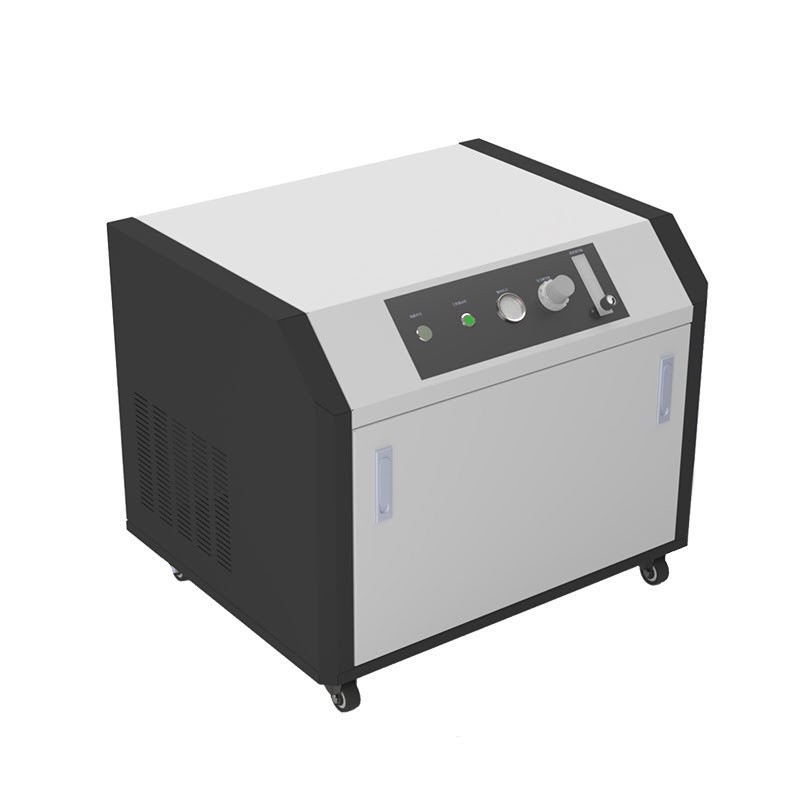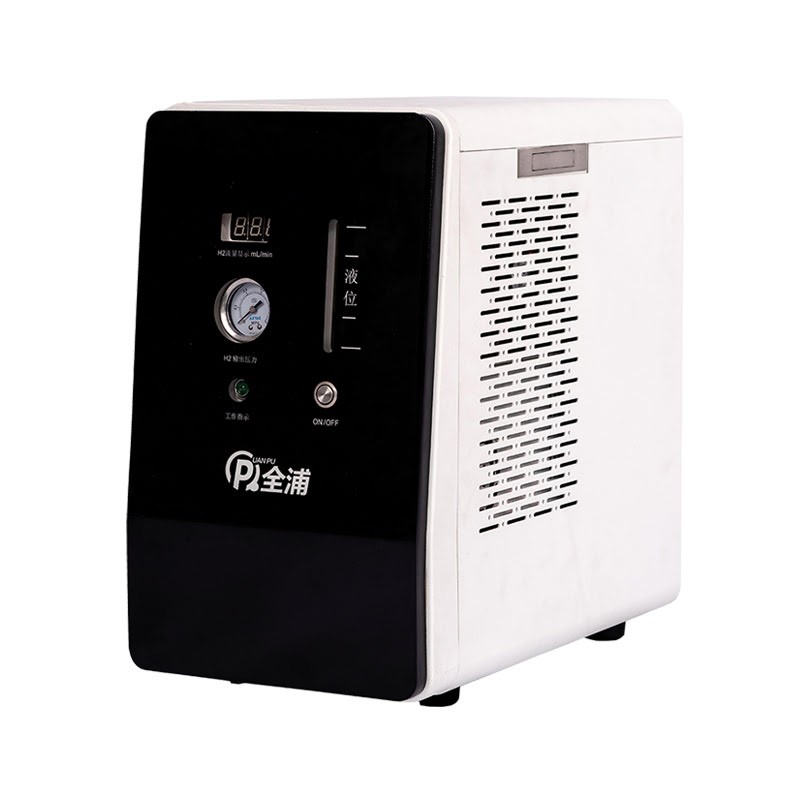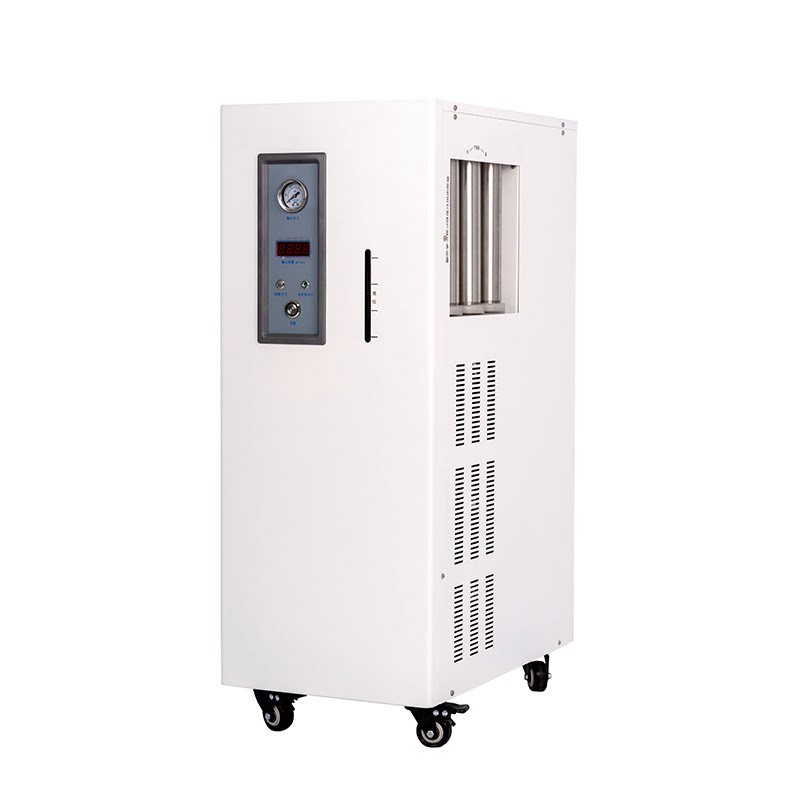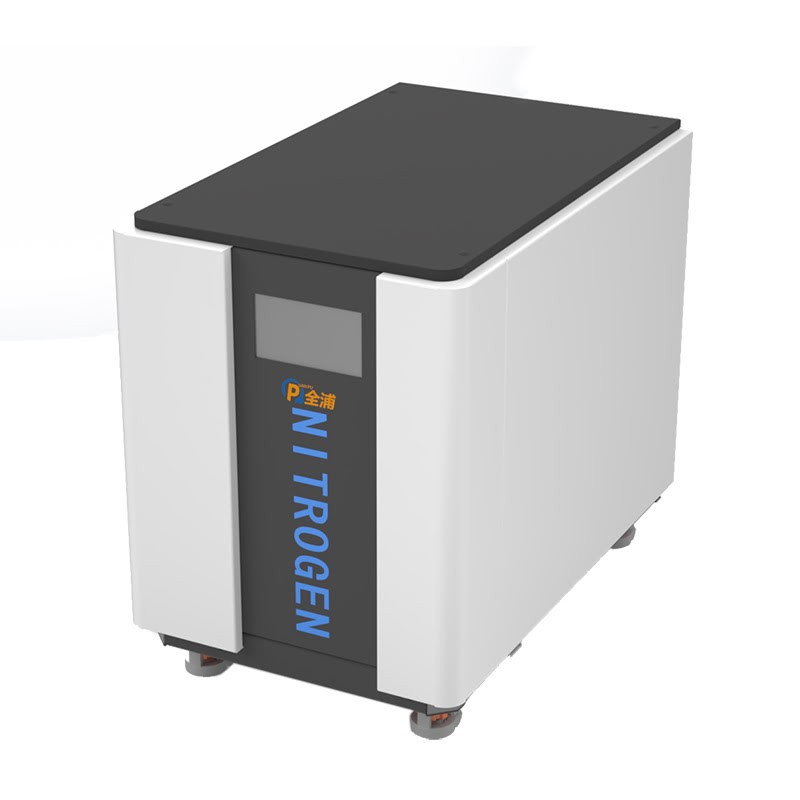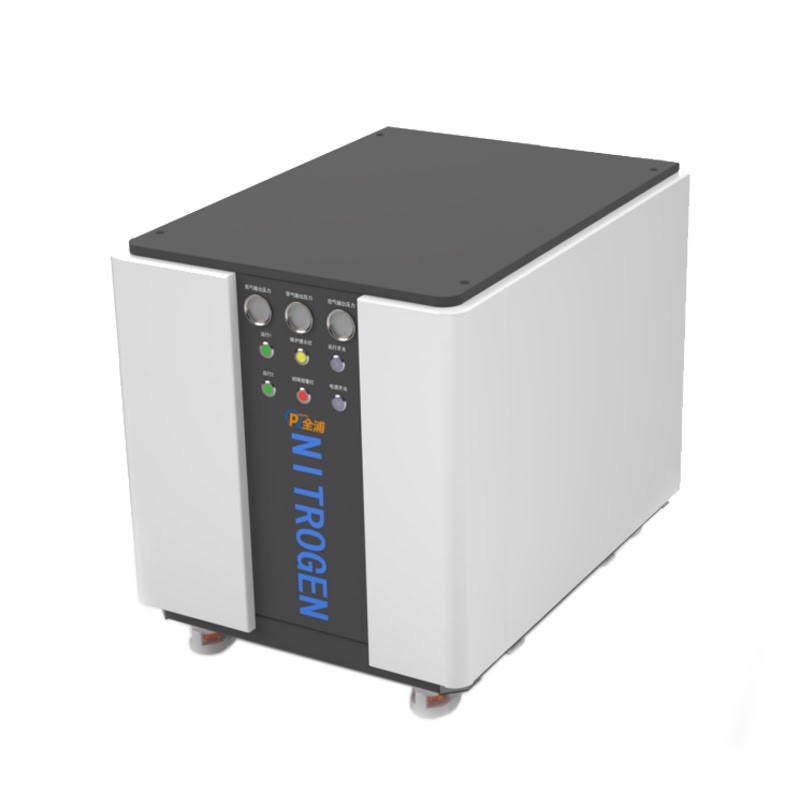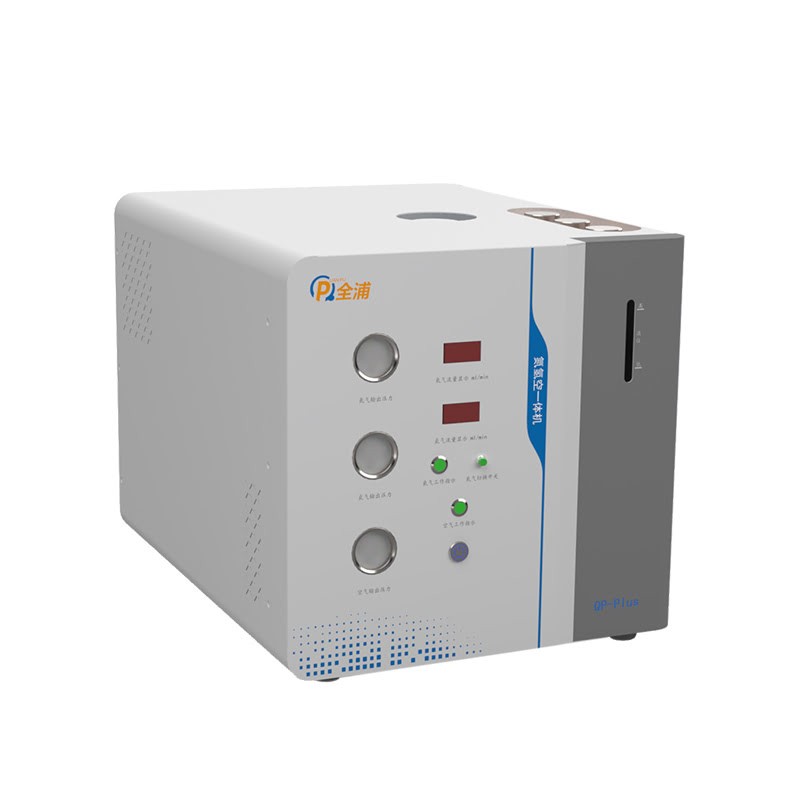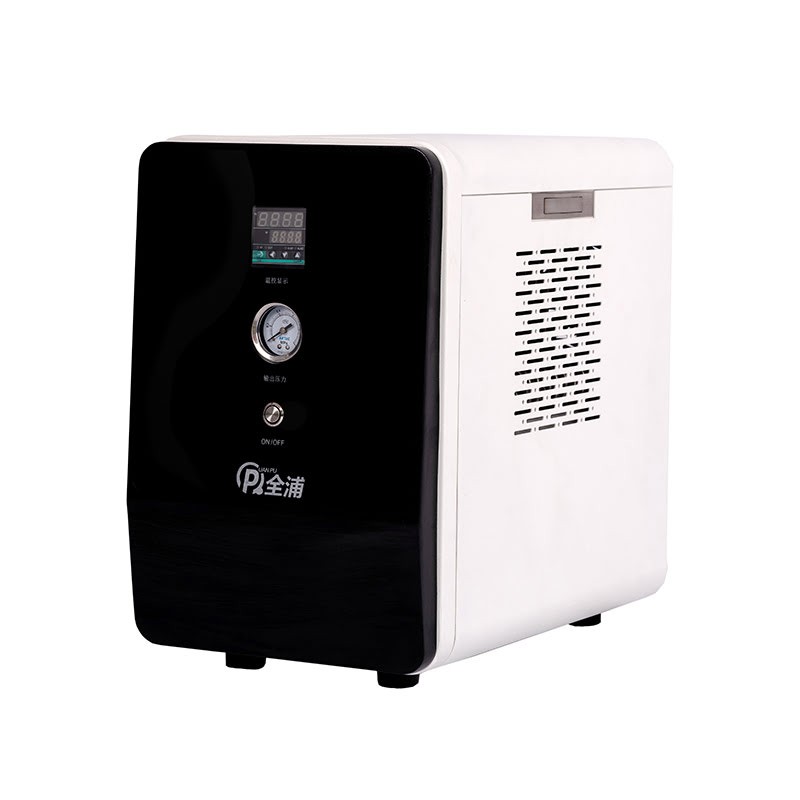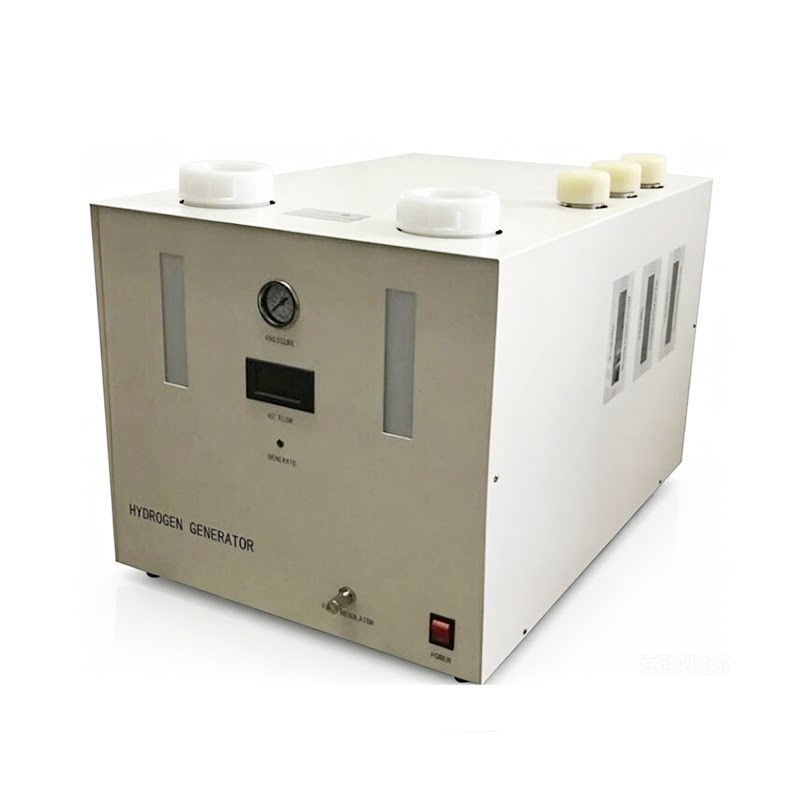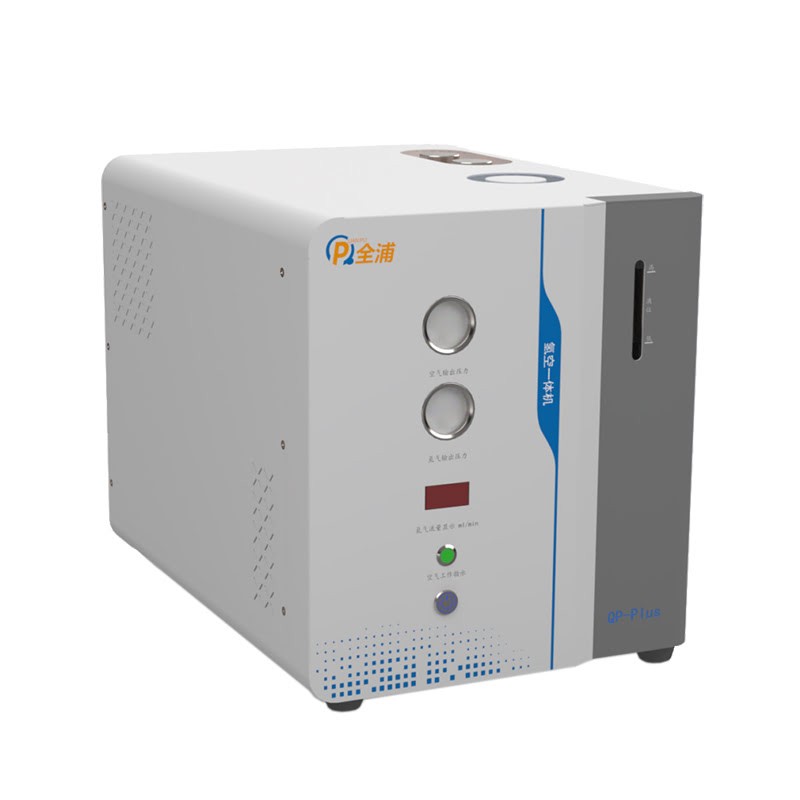
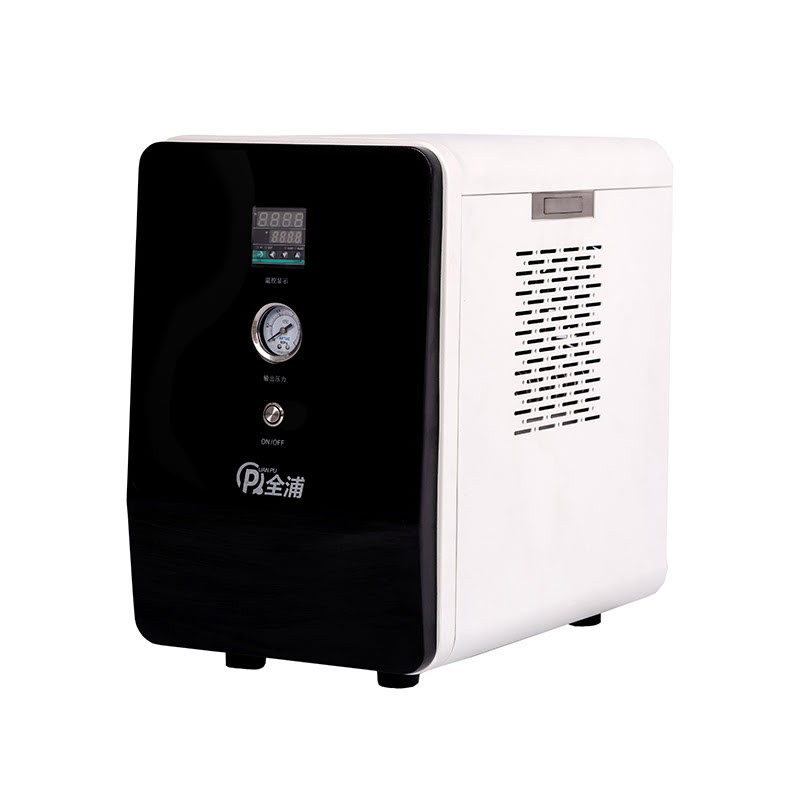
Compact size and light weight. It replaces high-pressure hydrocarbon removal gas cylinders and eliminates the trouble of cylinder handling and transportation.
Easy operation with a high degree of automation. Simply connect the air source and turn on the power switch; zero-grade air will be generated once the catalytic temperature rises to the set value.
The instrument is equipped with an automatically regenerative water removal device that requires no replacement, delivering full maintenance-free performance.
The instrument features reliable safety performance with two stages of over-temperature protection inside: one for excessive catalytic temperature and the other for overheating of the catalytic chamber housing.
A three-stage filter valve is built inside the instrument to dry and purify air entering the catalytic chamber, preventing secondary contamination of hydrocarbon-free air after cracking.
All internal gas circuits adopt clean 316 stainless steel tubing with polished inner and outer surfaces
| Instrument model | QPAL-S1000 |
| Maximum output flow | 1000mL/min |
| Output zero hydrocarbon content | 10ppb |
| Output pressure | 0.4MPa |
| Export specifications | M8×1, aperture φ3.3 |
| Drying method | PSA |
| Air source quality requirements | Clean, dry, and oil-free; particulate matter <0.01μm |
| Air source pressure requirements | 0.5-0.6MPa |
| Air source flow rate requirements | >3L/min |
| Air source inlet specifications | M8×1, aperture φ3.3 |
| Working power supply | 220V±10%;50-60Hz |
| Maximum power | Maximum power350W |
| Environmental conditions | Ambient temperature: 0-35℃, relative humidity: ≤85%, free from large amounts of dust and corrosive gases. |
| Overall dimensions | 430×260×425mm |
| weight | Approximately 21kg |
FID Flame Support Gas
FPD/NPD Detector Support Gas
ECD Purge Gas
Non-methane Hydrocarbon Analyzers
VOCs Continuous Monitoring Systems
Thermal Desorbers (TD)
Total Organic Carbon Analyzers (TOC)
Catalytic Reaction Test Equipment
Trace Organic Substance Testing
Headspace Samplers
Laboratory Micro Combustion Experiments